The Smart Way to Handle Credit Report Disputes
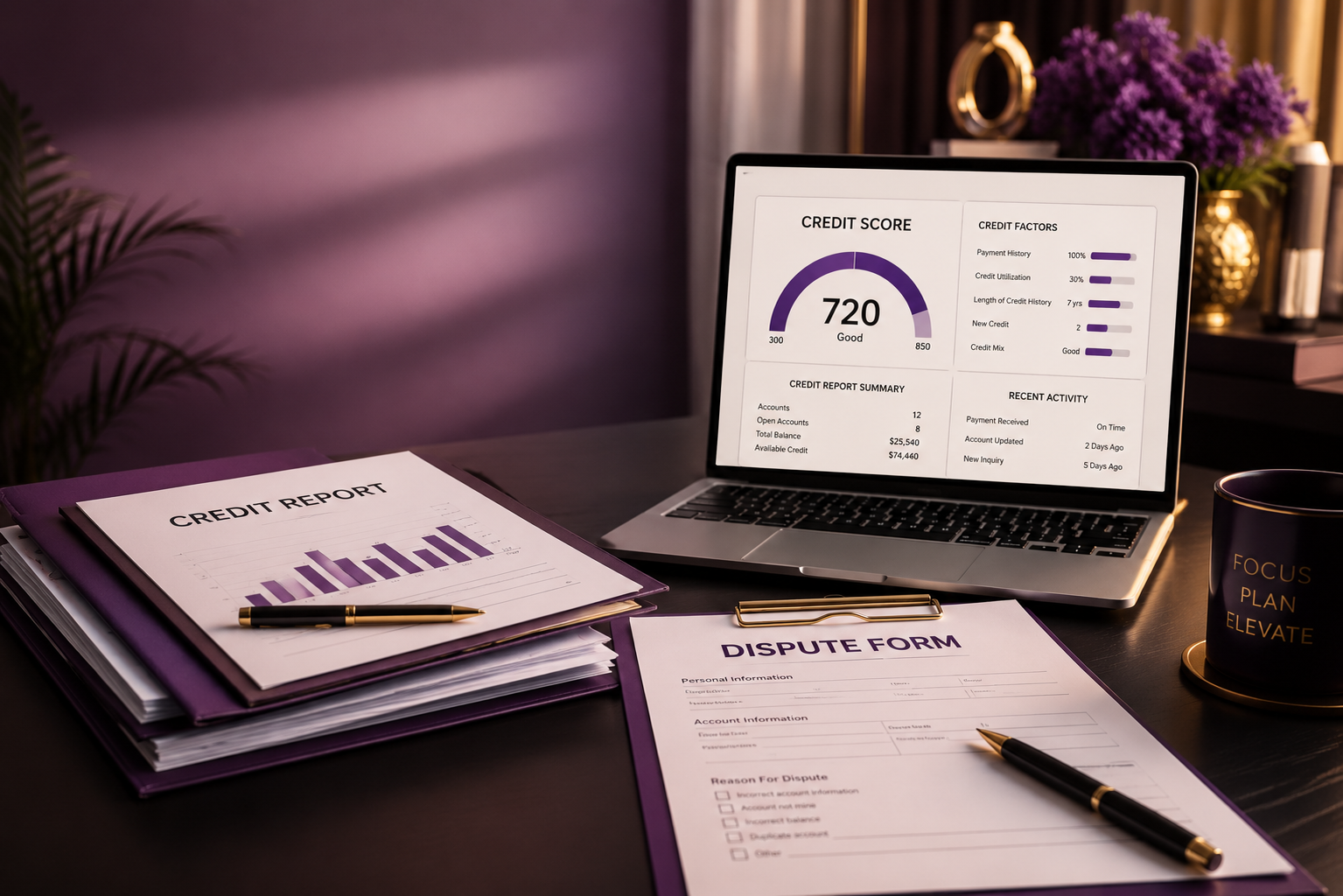
The first step is reviewing your credit reports from all three major credit bureaus and identifying information that is inaccurate, incomplete, or cannot be verified. Pay close attention to account balances, payment history, dates, personal information, and accounts that do not belong to you. Even small errors can have a meaningful impact on your credit profile if they remain uncorrected.
Before submitting a dispute, gather any supporting documentation that helps verify your claim. This may include payment confirmations, account statements, identity documents, correspondence from creditors, or court records when applicable. Clear documentation provides valuable context and can strengthen your dispute.
Each dispute should focus on specific inaccuracies rather than making broad or unsupported claims. Explaining exactly what is incorrect and why it should be reviewed allows the credit bureau to better understand the issue. Keeping your communication professional, factual, and concise helps create a stronger foundation for the investigation.
It is also important to avoid disputing accurate information simply because it is negative. Credit bureaus are responsible for reporting information that is accurate and verifiable. Filing disputes on legitimate accounts typically will not result in their removal and may slow progress on issues that truly require correction.
After your dispute is submitted, the credit bureau generally conducts an investigation with the company reporting the information. If the information cannot be verified or is found to be inaccurate, appropriate corrections may be made to your credit report. Reviewing the results carefully helps ensure that any changes accurately reflect the outcome of the investigation.
Credit improvement is rarely achieved through a single dispute. Some situations require multiple steps, additional documentation, or follow-up depending on the circumstances. Staying organized by keeping copies of your correspondence, investigation results, and updated credit reports can make future actions much easier.
Understanding your rights as a consumer while following established procedures can help you navigate the process with greater confidence. Whether you choose to manage disputes on your own or seek professional guidance like ours, a well-prepared approach can help you address reporting errors more effectively and support your long-term financial goals.